Location
The Netherlands
Industry
Metal
Standard materials fail fast in acid slurries
Hot slurry combining H2SO4, chlorides, and zinc demands more than standard grades can offer.
Duplex stainless steel built for the conditions
In chloride-rich, acidic slurries at elevated temperature, it outperforms standard stainless steel by a significant margin.
No leakage path to manage
The Brayston double mechanical seal with standalone thermosyphon feeding system keeps barrier fluid pressure constant.
Challenge
At a zinc processing plant in the Netherlands, a Sulzer® EMW pump, handles a chemically aggressive slurry. The medium is both corrosive and abrasive: temperatures up to 98°C, a pH of 2, sulfuric acid and chlorides in solution, dissolved metal compounds, and a specific gravity of 1.4.
The existing pump lasted about six months before the gland seal needed its first revision. Within a year, it had failed completely. Inspection showed that seal leakage had caused acid attack on the cast iron back plate. In this application, leakage is a maintenance issue. And given the nature of the slurry, it also poses a safety risk.
The replacement had to handle the same
duty reliably, avoid leakage, and stay
manageable to maintain overtime.
Solution
Vaikon proposed a Schegler Vigor Vi8x6, configured specifically for this application. The existing base frame and piping were retained wherever possible, keeping modifications to the existing installation to a minimum and making the transition straightforward for the plant team.
Two decisions defined the new configuration.
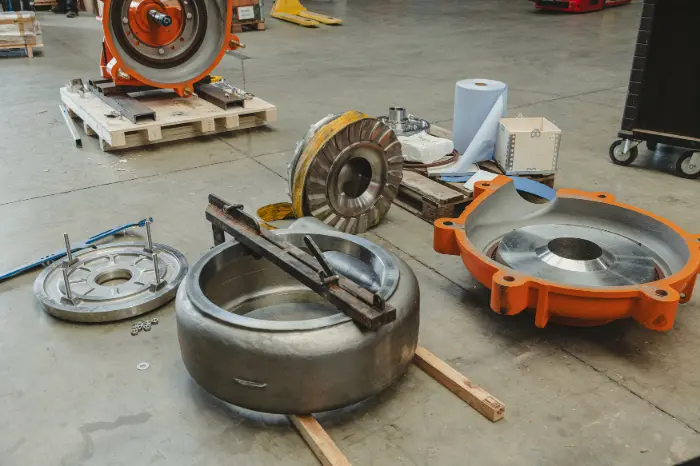
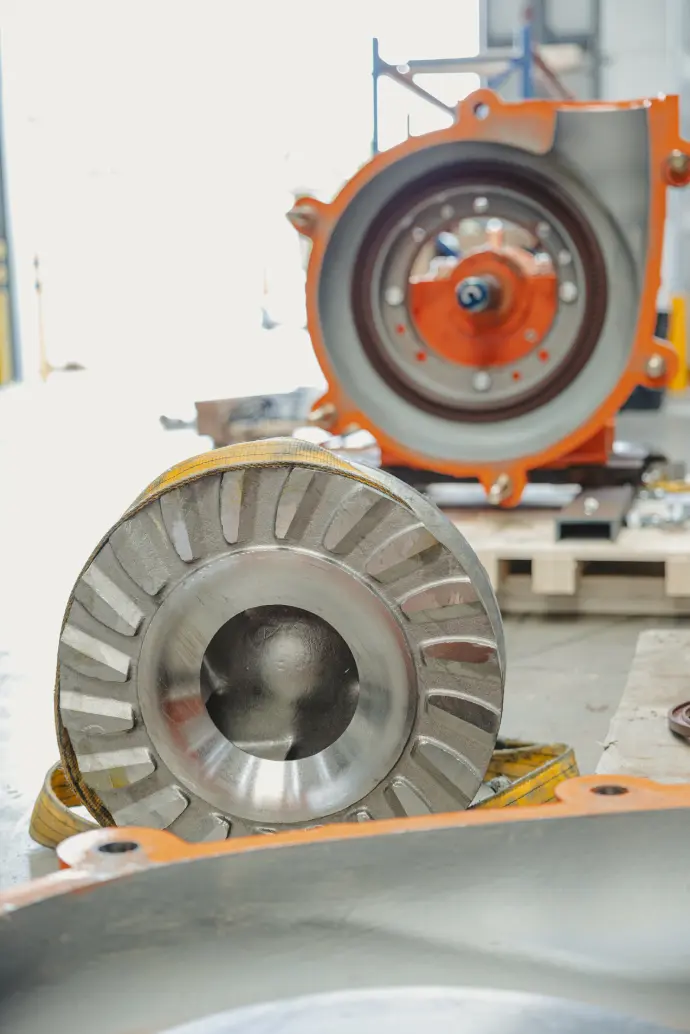
The first was material selection. The wet-end parts (impeller, liners, and casing) were specified in duplex stainless steel. This cast duplex alloy combines high chromium and molybdenum content with copper additions that make it specifically resistant to sulphuric acid. It handles chloride-rich, acidic slurries at elevated temperatures that standard stainless-steel grades cannot withstand over time.
The second was sealing. The gland packing of the original pump was replaced by a Brayston double mechanical seal (C58 series). Rather than relying on compression packing with controlled leakage, the double mechanical seal keeps a pressurized barrier fluid between two sealing faces, completely isolating the slurry from the surroundings. There is no leakage path to manage.
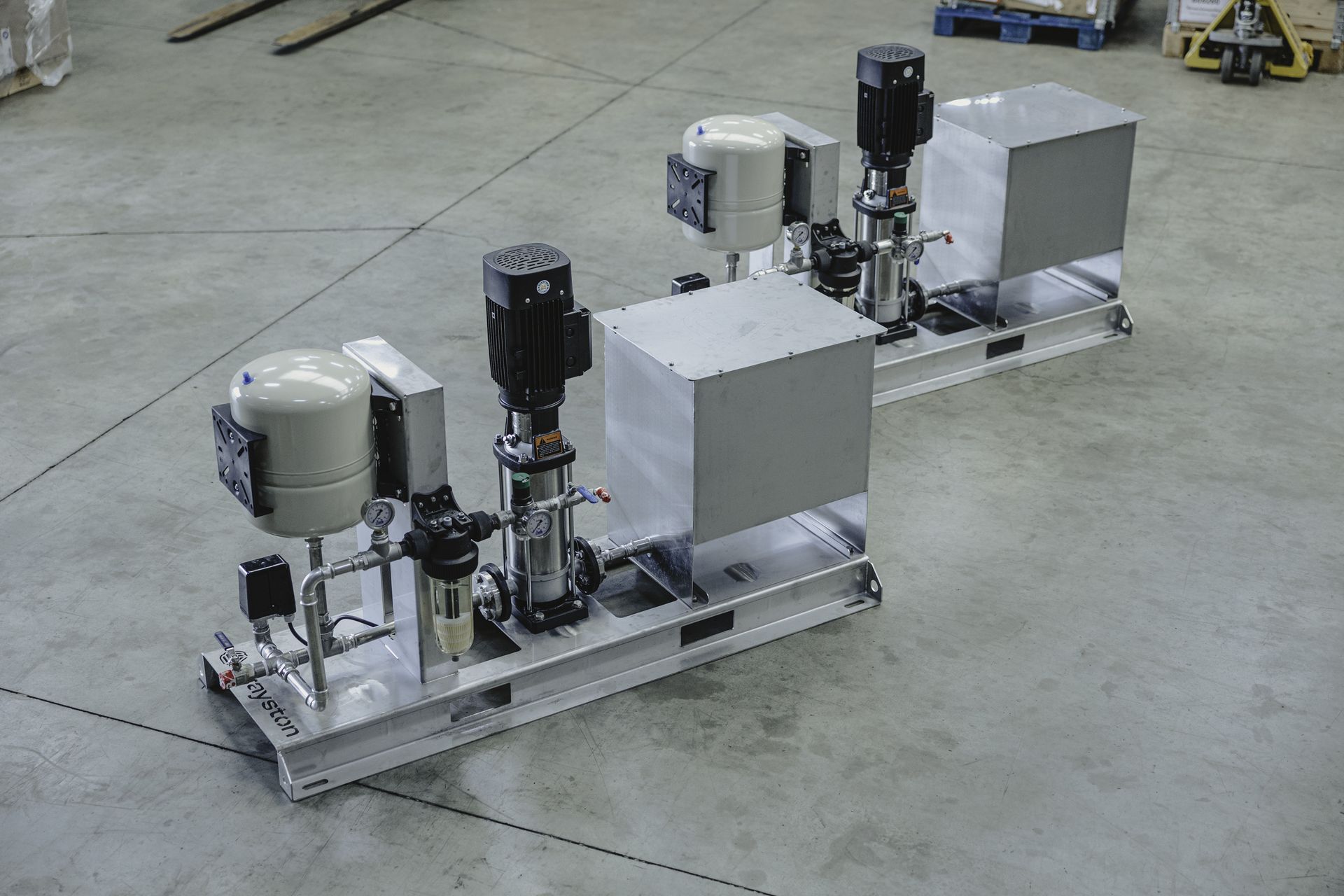
To keep the barrier fluid pressurized without adding to the operator's workload, a standalone thermosyphon feeding system was installed. The unit maintains constant seal pressure automatically. Pressure, temperature, and level are monitored through analogue and digital instrumentation. Also, the system is connected to a 20-litre barrier fluid vessel sized for the shaft diameter and operating temperature of this application.
Result
The new configuration put an end to the failure pattern that had plagued the original pump. Duplex wet-end materials resist the combined attack of acid, chlorides and heat. The double mechanical seal removed the leakage path that had caused acid attack on the back plate and created a safety risk.
Keeping the existing base and piping in place reduced the scope and cost of the transition. The plant retained its installation footprint while gaining a pump configuration that can handle what runs through it.
The thermosyphon feeding system keeps the seal protected continuously, without anyone needing to intervene.